Technology
1 min read
Why legacy Compliance fails in the New Age
Legacy compliance assumes slow rules and annual filings. Article explains why technology-led, system-aligned compliance is now critical to get and stay compliant

Roopali Grover
CCPA penalises seller for non-BIS toys sold online. Key lessons for retailers on due diligence, BIS compliance and marketplace liability.
Roopali Grover
Editor
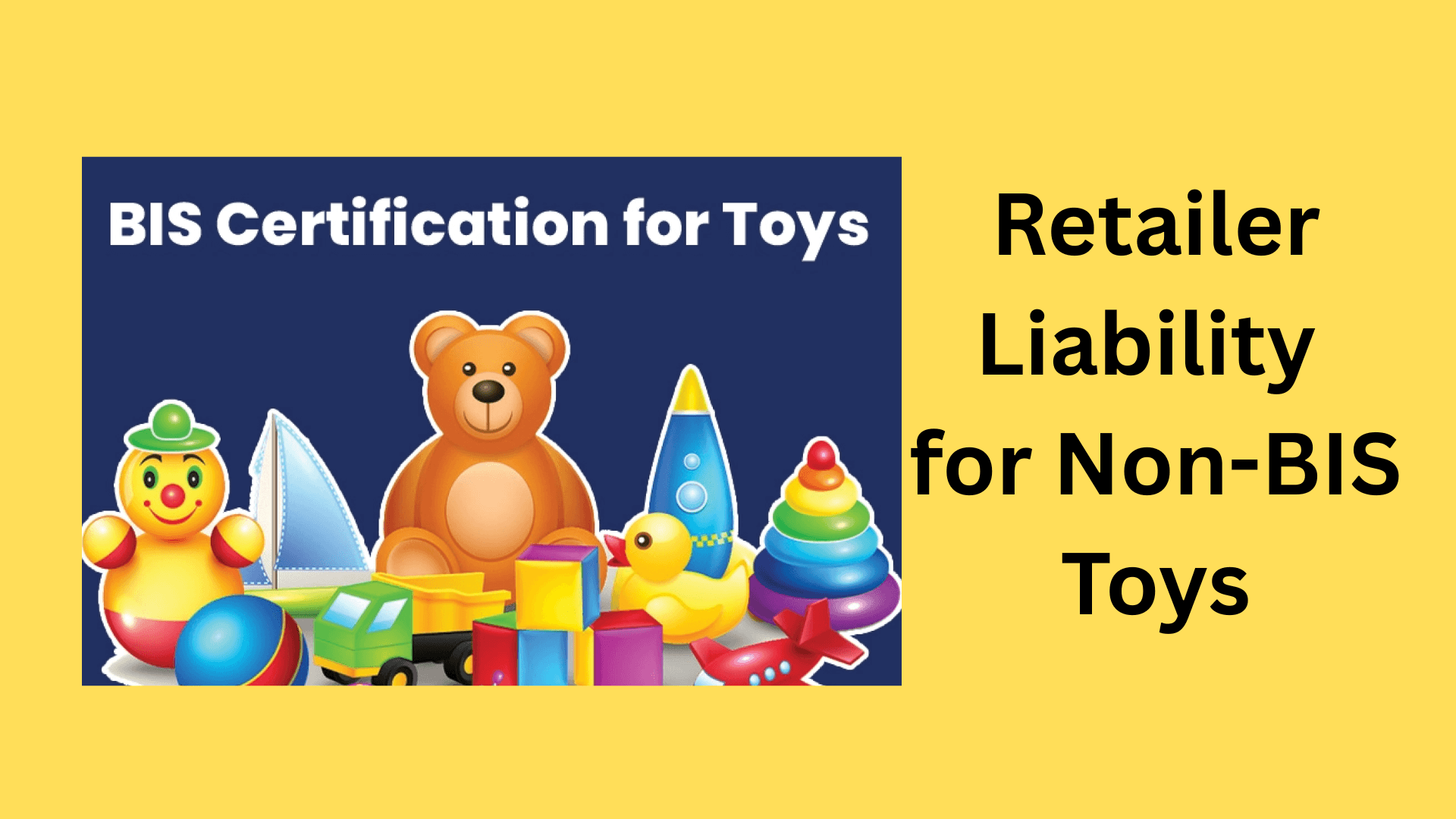
The Central Consumer Protection Authority (“CCPA”) has once again reinforced that e-commerce sellers, traders and marketplace participants cannot escape liability merely by claiming ignorance of BIS requirements or by operating as small-scale resellers. In a recent order against Stallion Trading Company relating to sale of non-compliant toys on Snapdeal, the authority imposed penalties and highlighted the growing compliance expectations from online retailers.
The order is significant because it reflects a broader regulatory trend, authorities are now shifting from reactive enforcement to platform accountability, seller due diligence and preventive compliance.
The matter arose from the sale of toys on an e-commerce platform which allegedly did not conform to mandatory BIS Standards prescribed under the Toys (Quality Control) Order, 2020 (“Toy QCO”). The CCPA observed that such products may be hazardous, dangerous and capable of causing injury to children.
The seller argued that:
However, the authority rejected the “lack of awareness” defence and held that ignorance of law cannot be accepted, especially when the Quality Control Order had already become effective from 1 January 2021 after sufficient industry consultation and transition time.
The order ultimately concluded that the seller had engaged in unfair trade practices and imposed a penalty while directing future compliance.
This order is not merely about toys. It reflects a larger compliance principle applicable across regulated products sold online:
“If a product category is subject to mandatory certification, safety standards or statutory declarations, sellers and platforms are expected to proactively verify compliance before listing or selling.”
The regulator has now clearly indicated that:
Written by
Roopali Grover
Editor at RGA
Structured Approach
A systematic legal operations framework drives measurable business outcomes.
Automation First
Automation eliminates manual bottlenecks and accelerates execution across teams.
Strategic Value
Legal operations transforms from a cost center into a competitive advantage.
The burden of product compliance is increasingly being placed on:
The order extensively refers to:
The authority particularly noted that Section 17 of the BIS Act prohibits manufacture, sale, distribution or storage of products covered under mandatory standards without proper compliance.
The order also emphasized that non-compliant products may amount to:
Verify Mandatory BIS Applicability Before Listing Products
Retailers must first determine whether the product category falls under any:
For toys, BIS certification is mandatory under the Toys (Quality Control) Order, 2020. The order specifically references several applicable Indian Standards such as IS 9873 series and IS 15644 relating to toy safety and electric toys.
Before onboarding products:
Build a Vendor Due Diligence framework
One major regulatory expectation emerging from the order is “reasonable due diligence.”
Retailers should not rely solely on supplier representations. Retailers should obtain:
Many retailers:
This creates exposure under both consumer and product safety laws.
Marketplace approval does not equal legal compliance
A critical learning from the case is that platform listing capability does not automatically validate statutory compliance. The seller argued that the platform did not initially mandate BIS uploads for toy listings. However, the authority still proceeded against the seller. Even if:
the seller may still remain legally liable. This principle applies beyond toys to:
Compliance must Be operational, not merely contractual
Many businesses maintain generic vendor clauses but lack operational controls. Authorities are increasingly expecting:
Assign responsibility to:
“Small Seller” defence is losing relevance
The seller argued that:
The authority nevertheless proceeded with enforcement.
Consumer safety is now treated as:
Even low-volume sellers can face:
The larger message from the CCPA is that product compliance is no longer a backend legal formality, it is now a front-end consumer protection obligation. The enforcement landscape is shifting toward:
Retailers who continue operating with fragmented vendor onboarding and reactive compliance models may increasingly face regulatory exposure. On the other hand, businesses that create:
will be significantly better positioned against future enforcement actions.
The order also signals that regulators expect businesses to “behave like responsible brands,” irrespective of whether they are manufacturers, marketplaces or resellers.
Source Order: CCPA Order in the matter of Stallion Trading Company regarding sale of non-compliant BIS standard toys.
Section 2(y) of the Code on Wages, 2019, works as a small engine, an inclusive core, 7 exclusions and 3 governors. Learn the engine to classify pay component
Roopali Grover